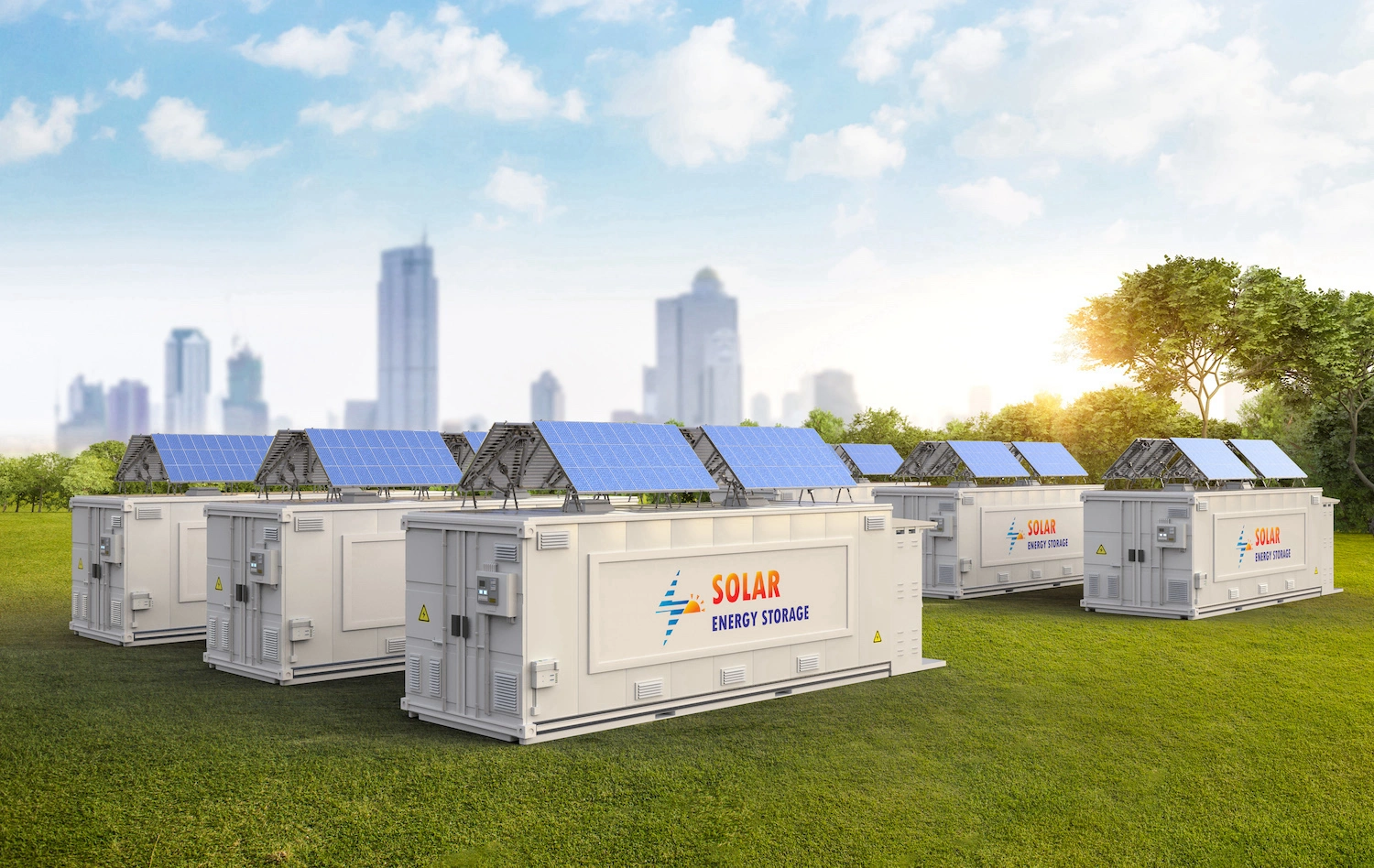
Solar panels are only half the equation. BESS Malaysia solutions are the missing piece that turns solar into true energy independence—especially in a country where power outages and rising tariffs are real concerns.
| Quick answer: A BESS (Battery Energy Storage System) stores excess solar energy during the day and uses it at night, during rainy weather, or during blackouts—giving Malaysian homes and businesses reliable, cost-efficient electricity. |
What Is BESS?
A Battery Energy Storage System (BESS) is a rechargeable system that stores electricity for later use. In BESS Malaysia setups, the system typically includes:
- Battery cells
- Battery Management System (BMS)
- Inverter
- Monitoring software
Think of it as a smart power bank for your entire home or business.
How Does BESS Work?
| Solar panels Generate DC power | → | Inverter Converts DC to AC | → | Bess Stores surplus energy | → | Your home Uses clean power |
During the day, excess solar energy is stored instead of exported to the grid. At night or during outages, the battery supplies power automatically.
Why Solar Alone Isn’t Enough
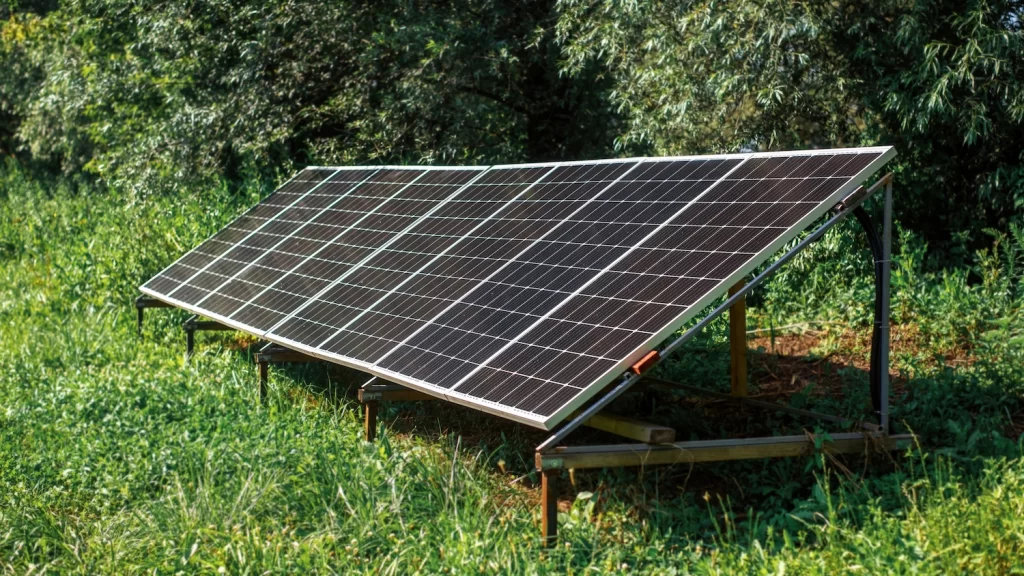
Solar panels only work when the sun shines. Without storage, you still depend on TNB at night.
| Scenario | Solar Only | Solar + BESS Malaysia |
| Daytime | Powered | Powered + charging |
| Night | Grid needed | Battery powered |
| Rainy weather | Reduced | Stable supply |
| Power outage | No power | Backup power |
| Peak-hour savings | Limited | Maximised |
Key insight:
A solar-only system covers about 20–35% of energy usage. With BESS Malaysia, this can increase to 70–90% self-sufficiency.
BESS Malaysia: Why It Makes Sense
Malaysia has strong solar potential, making battery storage even more valuable.
5.5 Peak sun
hours/day (average)
40%
ATAP excess solar displaced savings
RM0.09
ATAP export rate per kWh vs RM0.57+ retail
8–12 yr
Typical BESS payback period in Malaysia
The ATAP Gap BESS Solves
Under Malaysia’s Solar Accelerated Transition Action Programme (ATAP) scheme, any excess solar energy exported back to the grid is credited at a significantly lower rate than what you pay to import electricity. This means every kilowatt-hour you export is a financial loss compared to consuming it yourself.
BESS solves this by storing that surplus and letting you consume it later at full value — making your solar investment dramatically more financially rewarding.
Understanding Energy Independence
Energy independence means generating, storing, and using your own electricity.
Energy independence levels:
- Grid only: 0%
- Solar only: ~30%
- Solar + small battery: ~65%
- Solar + BESS Malaysia: up to 90%
You still stay connected to the grid—but rely on it far less.
Blackout Protection & Backup Power
Power disruptions in Malaysia are more common than expected. A BESS Malaysia system provides instant backup.
Common use cases for residential and commercial:
- Thunderstorms (200+ days/year)
Malaysia averages 200+ thunderstorm days per year. BESS keeps your home powered without interruption during weather-related outages.
- Medical equipment support
Families with members dependent on medical devices get uninterrupted power — no generator noise, no fumes, no fuel runs.
- Work-from-home continuity
With remote work now mainstream, a power cut means lost productivity. BESS ensures your router, computer, and AC stay on.
- Food refrigeration protection
Prolonged outages spoil food. BESS automatically kicks in to keep refrigerators and freezers running without any manual switching.
BESS vs Generator
| Feature | BESS Malaysia | Generator |
| Start time | Instant | Delay |
| Noise | Silent | Loud |
| Fuel | None | Required |
| Maintenance | Low | High |
Home Battery Benefits in Malaysia
Financial Benefits
- Lower TNB bills
- Protection against tariff increases
- Better ROI from solar
Lifestyle Benefits
- Continuous air conditioning
- Smart monitoring via apps
- Peace of mind during outages
Environmental Benefits
- Maximise solar energy usage
- Reduce reliance on fossil fuels
Frequently Asked Questions
A UPS provides short-term backup (minutes), while a BESS Malaysia system can power your home for hours.
Typically 4–12 hours, depending on battery size and usage.
Yes—especially with rising tariffs and low ATAP export rates.
Yes, most systems can be upgraded with battery storage.
Minimal. Most modern systems are designed for long-term, low-maintenance use.
Ready for Energy Independence?
With BESS Malaysia, you can take full control of your energy—reduce bills, stay powered during outages, and maximise your solar investment.
Get a free energy assessment by AMCHARGE and see how much you can save.