
Quick Answer: What Is a Microgrid?
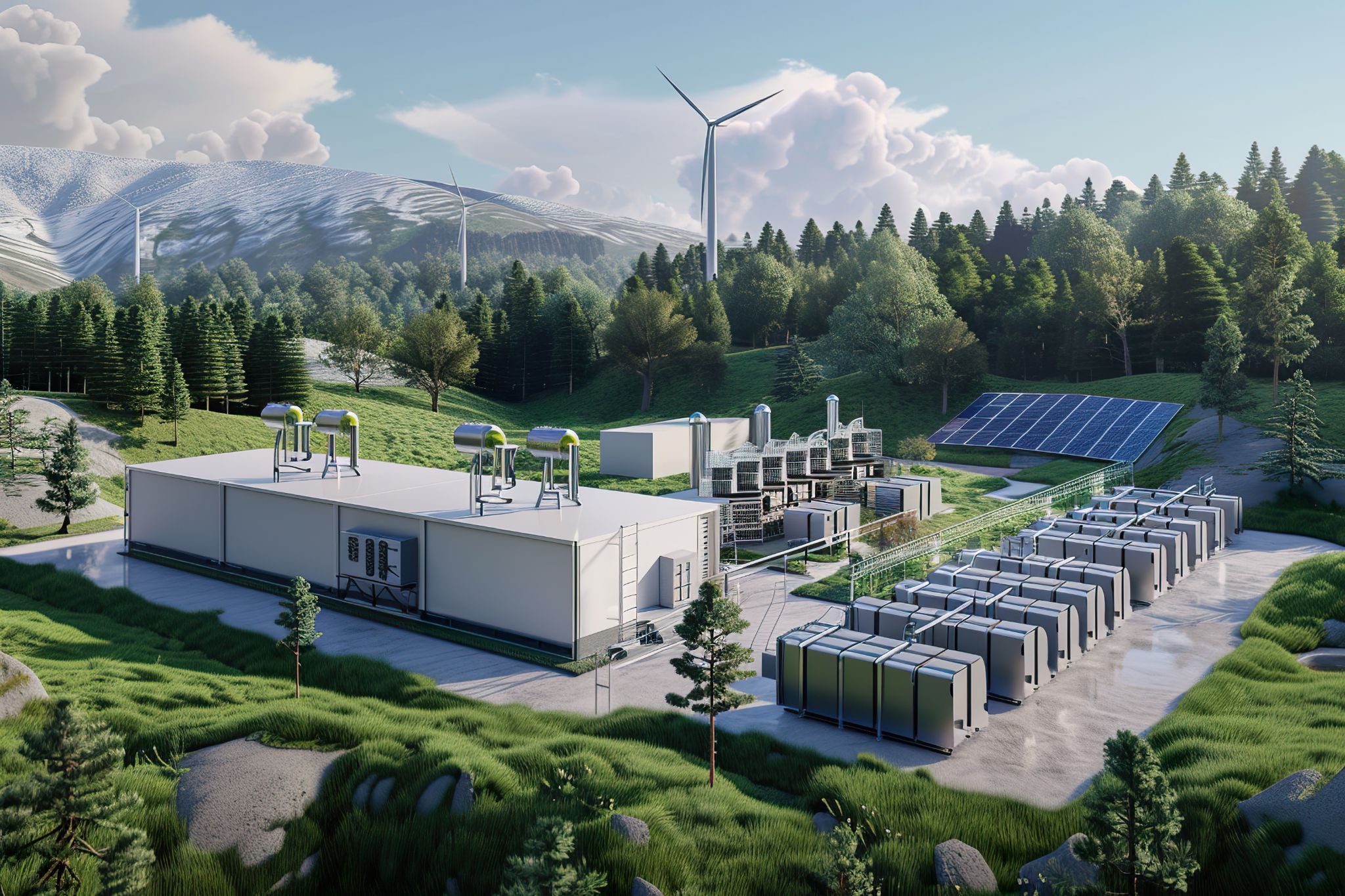
A microgrid is a local energy system that generates, stores, and distributes electricity within a specific area. It can operate alongside the national electricity grid or independently during power outages.
In Malaysia, a typical microgrid consists of:
- Solar panels
- Battery Energy Storage Systems (BESS)
- Energy Management Systems (EMS)
- EV charging infrastructure
Together, these technologies maximise the value of solar energy in Malaysia while reducing reliance on grid electricity.
As electricity costs continue to rise and sustainability targets become increasingly important, many businesses are looking beyond traditional energy sources. One solution rapidly gaining attention is the microgrid, a smart energy system that combines solar energy in Malaysia, battery storage, intelligent controls, and EV charging infrastructure into a single integrated network.
Whether you operate a factory, logistics hub, hospital, hotel, commercial building, or industrial park, a microgrid can help reduce energy costs, improve operational resilience, and support ESG goals.
In this guide, we’ll explain what a microgrid is, how it works, and why it is becoming a critical part of Malaysia’s clean energy transition.
Why Solar Energy in Malaysia Is Driving Microgrid Adoption
Malaysia has become one of Southeast Asia’s most attractive markets for solar energy.
Located near the equator, the country receives approximately 4.5 to 5.5 peak sun hours daily, providing strong solar generation potential throughout the year.
This abundance of sunlight allows businesses to generate clean electricity directly from their rooftops, car park canopies, and unused land areas.
Several factors are accelerating the adoption of solar energy in Malaysia:
- Rising electricity tariffs
- Growing ESG commitments
- Government renewable energy targets
- Expansion of electric vehicle infrastructure
- Increasing demand for energy resilience
As a result, many organisations are moving beyond standalone solar installations and investing in complete microgrid solutions.
How Does a Microgrid Work?
A microgrid continuously performs three key functions:
1. Generate Energy
Solar photovoltaic (PV) panels convert sunlight into electricity during the day.
The generated electricity powers your facility directly and reduces electricity imported from the grid.
2. Store Excess Energy
When solar production exceeds immediate demand, excess electricity is stored in a Battery Energy Storage System (BESS).
This stored energy can be used later when:
- Solar production decreases
- Electricity tariffs increase
- The grid experiences disruptions
3. Distribute Electricity Intelligently
An Energy Management System (EMS) acts as the brain of the microgrid.
The EMS automatically decides whether to:
- Use solar energy
- Draw power from batteries
- Import electricity from TNB
- Export excess energy to the grid
- Supply power to EV chargers
This optimisation occurs in real time to maximise savings and efficiency.
The Three Core Components of a Malaysian Microgrid
1. Solar Panels
Solar panels are the primary electricity generation source in most microgrids.
Because of the excellent availability of solar energy in Malaysia, solar PV systems provide attractive long-term returns for commercial and industrial facilities.
Benefits of Solar Panels
- Reduce electricity bills
- Lower carbon emissions
- Increase energy independence
- Support ESG reporting
- Deliver predictable energy costs for 25+ years
2. Battery Energy Storage System (BESS)
A Battery Energy Storage System stores excess solar energy for future use.
Without batteries, excess solar power is either exported or wasted.
With BESS, businesses can store energy when it is abundant and use it when electricity costs are highest.
Benefits of BESS Malaysia Solutions
- Peak Demand Reduction – Stored energy can be discharged during expensive peak demand periods.
- Backup Power – BESS provides uninterrupted power during outages.
- Improved Solar Utilisation- Businesses consume more of their own solar energy instead of exporting it.
- Energy Cost Optimisation – Battery storage allows electricity consumption to be shifted away from high-tariff periods.
3. EV Chargers
When integrated into a microgrid, EV chargers can utilise solar-generated electricity instead of expensive grid power.
Benefits of EV Charger Integration
- Lower Charging Costs – Vehicles can charge directly from solar energy.
- New Revenue Streams – Businesses can offer paid charging services.
- Smart Load Management – Charging schedules can be adjusted automatically to avoid peak demand charges.
Common EV Charger Types
AC Chargers
- 7kW–22kW
- Ideal for workplace charging
- Suitable for overnight fleet charging
DC Fast Chargers
- 50kW–150kW+
- Suitable for commercial charging hubs
- Faster charging times
Benefits of Microgrids for Malaysian Businesses
Lower Electricity Costs
Electricity expenses represent a major operational cost for many businesses.
Microgrids reduce dependence on utility electricity and maximise self-generated solar energy.
Greater Energy Security
Power interruptions can cause:
- Production downtime
- Equipment damage
- Revenue loss
- Service disruptions
Microgrids help maintain business continuity.
ESG and Sustainability Compliance
Many corporations now require suppliers to demonstrate sustainability efforts.
A microgrid supports:
- Carbon reduction goals
- ESG reporting
- Green building certifications
- Scope 2 emissions reduction
Reduced Demand Charges
Many commercial electricity bills include demand charges based on peak usage.
BESS systems can reduce these charges by shaving peak demand.
EV Readiness
Businesses preparing for EV adoption can integrate charging infrastructure today while optimising future energy costs.
Who Should Consider a Microgrid in Malaysia?
A microgrid may be suitable if your organisation:
- Pays more than RM15,000 monthly in electricity costs
- Experiences costly power disruptions
- Has sustainability targets
- Operates EV fleets
- Owns large rooftop space
- Plans future expansion
Industries well-suited for microgrids in Malaysia:
- Manufacturing and industrial parks
- Cold storage and logistics facilities
- Hospitals and healthcare campuses
- Shopping malls and commercial properties
- Hotels and resorts
- Universities and educational campuses
- Data centres
Microgrid vs. Standalone Solar: What’s the Difference?
| Feature | Standalone Solar | Microgrid |
|---|---|---|
| Components | Solar panels only | Solar + BESS + EV charger + EMS |
| Battery storage | No | Yes |
| EV charging integration | Limited | Yes |
| Backup During Outages | No | Yes (with islanding) |
| Smart Energy Management | Basic | Advanced (AI/ML-based EMS) |
| Demand charge reduction | Limited | Significant |
| Investment level | Lower | Higher, better ROI at scale |
| Best for | Small SME, basic bill offset | C&I, campus, critical facilities |
How to Implement a Microgrid in Malaysia
Step 1: Energy Audit Analyse your TNB bills for the past 12 months. Identify your peak demand, consumption patterns, and tariff category (LPC, MFPC, HV, etc.).
Step 2: Site Assessment Evaluate available rooftop and canopy area, structural load capacity, grid connection point, and existing electrical infrastructure.
Step 3: Feasibility Study A qualified energy solutions provider will model your system size, projected generation, demand savings, financial returns (NPV, IRR, payback), and Solar ATAP export value.
Step 4: System Design and Regulatory Approval Design must comply with Energy Commission (Suruhanjaya Tenaga) requirements, TNB connection standards, and local authority approvals (BOMBA, MBPJ, DBKL, etc. depending on location).
Step 5: Installation and Commissioning Engage a registered ST-licensed contractor. Commissioning includes grid protection relay testing and, for islanding capability, anti-islanding and islanding mode transition testing.
Step 6: Monitoring and Optimisation Most modern microgrids come with cloud-based monitoring dashboards. Review performance monthly; the EMS will continuously optimise in real time.
Frequently Asked Questions (FAQ)
Q: What is a microgrid in simple terms? A microgrid is a local energy system that generates electricity from solar panels, stores it in batteries, and distributes power to buildings and EV chargers.
Q: Is a microgrid the same as solar panels? No. Solar panels are only one component. A microgrid also includes battery storage, smart controls, and often EV charging infrastructure.
Q: How does solar energy in Malaysia work within a microgrid? Solar panels generate electricity during the day, while batteries store excess energy for use later. This maximises energy savings and reduces reliance on the grid.
Q: What is BESS and why does Malaysia need it? BESS stands for Battery Energy Storage System. It stores electricity generated by solar panels and releases it when energy demand increases or grid supply becomes unavailable.
Q: Can a microgrid power my facility during a TNB blackout? Yes. If designed with islanding capability, a microgrid can continue supplying power during grid outages.
Q: How long does a microgrid last? Most commercial solar panels last 25 years or more. Battery systems typically last 10–15 years, while the overall microgrid can deliver value for over two decades.
Conclusion
As Malaysia accelerates its transition toward renewable energy, microgrids are becoming an increasingly valuable solution for businesses seeking lower energy costs, greater resilience, and improved sustainability performance.
By combining solar energy in Malaysia, Battery Energy Storage Systems (BESS), EV chargers, and intelligent energy management, businesses can gain greater control over their energy future while reducing dependence on traditional electricity sources.
For organisations with high electricity consumption, ESG commitments, or critical operational requirements, investing in a microgrid is no longer just an energy upgrade—it is a long-term strategic advantage.